
Newsletter Subscribe
Enter your email address below and subscribe to our newsletter

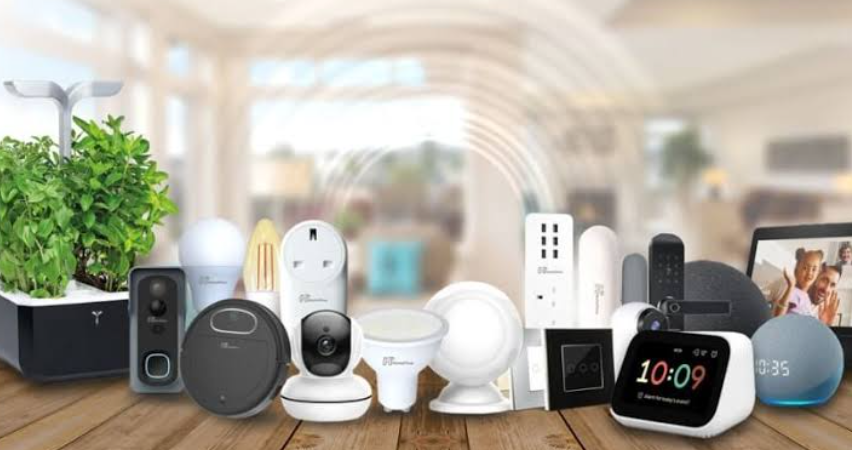
Smart home devices are internet-connected electronic products that automate and simplify everyday household tasks. These devices allow homeowners to control lighting, security, entertainment, appliances, and other systems using smartphones, tablets, voice assistants, or automated schedules. As smart technology continues to evolve, smart home devices are becoming more affordable, energy-efficient, and user-friendly.
Whether you want to improve home security, reduce energy consumption, increase convenience, or create a more connected living environment, smart home devices offer practical solutions for modern households. This guide explains what smart home devices are, how they work, their features, benefits, applications, challenges, and tips for choosing the right devices.
Smart home devices are electronic appliances and accessories that connect to a home network and can be monitored, controlled, or automated remotely. These devices communicate with one another or with mobile applications to make household management more efficient.
Smart home devices can perform tasks automatically based on schedules, user preferences, or sensor data, reducing manual effort and improving convenience.
Most smart home devices connect to the internet through a home Wi-Fi network or other supported wireless technologies.
Users manage devices through companion mobile apps that provide controls, settings, and automation options.
Many smart home devices work with voice assistants, allowing users to control them using simple voice commands.
Users can create routines or schedules that automatically perform actions, such as turning lights on at sunset or adjusting the thermostat during the day.
Smart speakers provide voice control, music playback, reminders, weather updates, and smart home management.
Smart lighting systems allow users to control brightness, colors, schedules, and power remotely.
These devices automatically adjust home temperatures for greater comfort and energy efficiency.
Security cameras help monitor homes with live video, motion detection, and remote viewing capabilities.
Video doorbells allow homeowners to see and communicate with visitors using their smartphones.
Smart locks provide keyless entry, remote locking, and access management for family members and guests.
Smart plugs transform ordinary electrical devices into remotely controlled appliances.
Smart displays combine voice assistant features with touchscreens for video calls, recipes, entertainment, and home controls.
Operate compatible devices from almost anywhere using a smartphone or tablet.
Create schedules and routines that automatically control household devices.
Many devices support hands-free operation through compatible voice assistants.
Some smart devices help monitor electricity usage and improve energy efficiency.
Receive notifications about motion detection, door activity, or unusual events around your home.
Many smart home products can work together to create a connected home ecosystem.
Control multiple household devices without manually operating each one.
Smart cameras, locks, and doorbells help monitor and protect your property.
Automated lighting, thermostats, and smart plugs help reduce unnecessary electricity consumption.
Automated temperature, lighting, and entertainment settings create a more comfortable living environment.
Automating routine household tasks allows users to spend more time on other activities.
Monitor entrances, receive alerts, and manage access to your property remotely.
Adjust lighting schedules, brightness, and colors for different rooms and activities.
Maintain comfortable indoor temperatures while reducing energy waste.
Control speakers, televisions, and streaming devices using mobile apps or voice commands.
Smart kitchen appliances help simplify cooking, food preparation, and daily routines.
Smart devices can improve safety and convenience for older adults by automating household functions.
Many smart features require a stable internet connection to function effectively.
Not all smart devices are compatible with every smart home platform or ecosystem.
Users should review security settings and account permissions to protect personal information.
Installing and configuring multiple smart devices may require some time and planning.
Begin with products that provide the greatest everyday value, such as smart lights or smart speakers.
Ensure new devices work with your existing smart home ecosystem.
Use strong passwords, enable security features, and keep device software updated.
Choose products that can integrate with additional smart devices as your home grows.
Select devices with user-friendly mobile apps and straightforward setup processes.
Control household systems from almost anywhere using connected devices.
Security cameras, sensors, and smart locks enhance home protection.
Automation helps reduce unnecessary energy consumption and operating costs.
Users can customize routines that match their daily schedules and preferences.
Smart home devices are internet-connected products that allow users to monitor, control, and automate household systems using mobile apps, voice commands, or scheduled routines.
Many smart features require an internet connection, although some devices can perform basic local functions without continuous internet access.
Most modern smart home devices include security features, but users should keep software updated, use strong passwords, and enable available security settings.
Yes. Many compatible devices can be connected within the same smart home ecosystem to automate tasks and simplify home management.
Smart home devices are suitable for homeowners, renters, families, professionals, and anyone interested in improving convenience, security, comfort, and energy efficiency.
Smart home devices are transforming modern living by making homes more connected, convenient, secure, and energy-efficient. From smart lighting and security cameras to thermostats, speakers, and smart locks, these technologies simplify everyday tasks while providing greater control over household systems. By selecting compatible devices, prioritizing security, and planning for future expansion, you can build a smart home that enhances comfort, productivity, and peace of mind for years to come.

